

what is toughened laminated glass
The Importance of Standard Ring Gauges in Precision Engineering In the field of precision engineering, the use of standard ring gauges is fundamental for ensuring accuracy and quality in manufacturing processes. Ring gauges, often referred to as ring standards, are cylindrical tools specifically designed to check the dimensions of external features on workpieces. This relatively simple yet effective tool serves a crucial role in quality control, particularly in industries that demand high precision, such as aerospace, automotive, and medical devices. Understanding the significance of standard ring gauges begins with recognizing their primary purpose to measure the outer diameters of components. These gauges are typically manufactured to tight tolerances and calibrated to specific standards, making them highly reliable for verifying the wear and correctness of machined parts. Unlike calipers or micrometers that provide direct measurement, ring gauges offer a more definitive go/no-go approach, which simplifies the measurement process. If a component fits into the go side of the gauge, it meets the required dimension; if it fails to fit, it does not. The manufacturing of standard ring gauges adheres to strict guidelines, often defined by national and international standards organizations, such as the International Organization for Standardization (ISO) and the American National Standards Institute (ANSI) . These standards ensure that the gauges are produced to consistent specifications, which is vital for interoperability in global supply chains. Engineers and manufacturers can confidently use these gauges knowing they conform to an accepted level of precision, which enhances product quality and reduces the risk of defects. standard ring gauge Furthermore, standard ring gauges are widely categorized into different types, including checking gauges, limit gauges, and setting gauges. Each type has its specific application depending on the manufacturing requirements. For instance, limit gauges are used for determining whether a dimension falls within acceptable limits, while setting gauges help in calibrating machines for precise measurements. The versatility of these gauges makes them indispensable tools in any machine shop or manufacturing facility. Another aspect worth mentioning is the importance of regular calibration and maintenance of ring gauges. Over time and use, these gauges can wear or become damaged, leading to skewed measurements. Implementing a routine calibration schedule can help maintain their accuracy. Many companies employ certified laboratories to carry out recalibrations in accordance with national standards. This practice not only ensures the reliability of the measurements but also adheres to industry regulations. In the age of advanced manufacturing technologies, such as computer numerical control (CNC) machining and additive manufacturing, the relevance of traditional tools like standard ring gauges remains paramount. They serve as a bridge between modern technology and established measurement practices, reinforcing the importance of precision in engineering. Industries are increasingly recognizing that despite the advancements in measurement technology, the reliability and simplicity of ring gauges can complement modern approaches effectively. In conclusion, standard ring gauges play an essential role in ensuring the quality and precision of manufactured components. Their ability to provide reliable measurements, combined with adherence to stringent standards, makes them invaluable in various industries. As we continue to advance in engineering technologies, the integration of traditional measuring tools with modern practices will remain a cornerstone of manufacturing excellence. Investing in the right measuring tools, such as standard ring gauges, ultimately leads to enhanced productivity, reduced waste, and improved product quality, all of which are crucial for success in today’s competitive marketplace.
about
what is toughened laminated glass
Understanding the Price Dynamics of 150% to 300 Micrometer Products In the realm of product manufacturing, especially in sectors such as electronics, medical devices, and materials science, micrometer specifications play a critical role. The micrometer, or micron, is a unit of measurement equal to one-millionth of a meter, and products that fall within the 150 to 300 micrometer range have gained significant attention due to their diverse applications. This article delves into the price dynamics of products within this specific micrometer range, exploring various factors that influence their costs and the market trends at play. The Importance of Micrometer Specifications Products measured in the 150 to 300 micrometer range are crucial in industries where precision is paramount. For instance, in the semiconductor industry, materials need to maintain strict dimensional tolerances to ensure the effective operation of electronic components. Similarly, in the medical field, micrometric precision can affect the performance of devices such as surgical instruments or implants. The demand for precision products in these sectors has led to advancements in manufacturing techniques, which can impact overall production costs and pricing. Factors Influencing Pricing Several key factors influence the pricing of products within the 150 to 300 micrometer range 1. Material Composition The type of materials used in production significantly affects costs. High-quality, specialized materials often come at a premium, particularly if they possess unique properties such as enhanced durability or biocompatibility. For instance, advanced polymers and metals used in engineering applications could be more expensive than standard materials. 150 to 300 micrometer price 2. Manufacturing Process The intricacy of the manufacturing process contributes to final pricing. Techniques such as laser cutting, precision machining, and specialized molding can be costly due to the require technology and skilled labor. Manufacturers that utilize state-of-the-art machinery may incur higher operational costs, which would reflect in the product prices. 3. Market Demand and Supply As with any product, market dynamics of supply and demand play a significant role in pricing. If the demand for products in the 150 to 300 micrometer range outstrips supply, prices will rise accordingly. For example, during bursts of technological advancement or rapid growth in the electronics sector, prices may spike due to increased demand. 4. Customization and Specifications Custom products tailored to specific needs tend to be more expensive than standard offerings. For instance, if clients require unique dimensions, finishes, or functionalities, the added complexity will drive up costs. Companies often charge a premium for customization and rapid prototyping services. 5. Geopolitical and Economic Factors The global economic landscape can also influence prices. Tariffs, trade agreements, and geopolitical tensions can impact the availability and cost of raw materials. Additionally, fluctuations in currency exchange rates can lead to price adjustments for international orders. Current Market Trends As of 2023, the market for micrometer-level products remains dynamic and competitive. Companies are investing in research and development to innovate production techniques that lower costs while enhancing product quality. Sustainability is becoming a significant concern; thus, manufacturers are exploring eco-friendly materials and processes which may initially be more expensive but could yield long-term savings and appeal to environmentally conscious consumers. In conclusion, the price of products within the 150 to 300 micrometer range is influenced by a complex interplay of factors, including material choices, manufacturing techniques, market demand, customization, and broader economic trends. As industries continue to evolve, understanding these pricing dynamics will be crucial for stakeholders looking to navigate this specialized market effectively.
-

High quality industrial productsagement

High quality industrial products
View Details -

Meet the diverse needs of customers

Meet the diverse needs of customers
View Details -

Strict quality control

Strict quality control
View Details -

Top raw materials

Top raw materials
View Details -

Trusted supplier

Trusted supplier
View Details
Our application
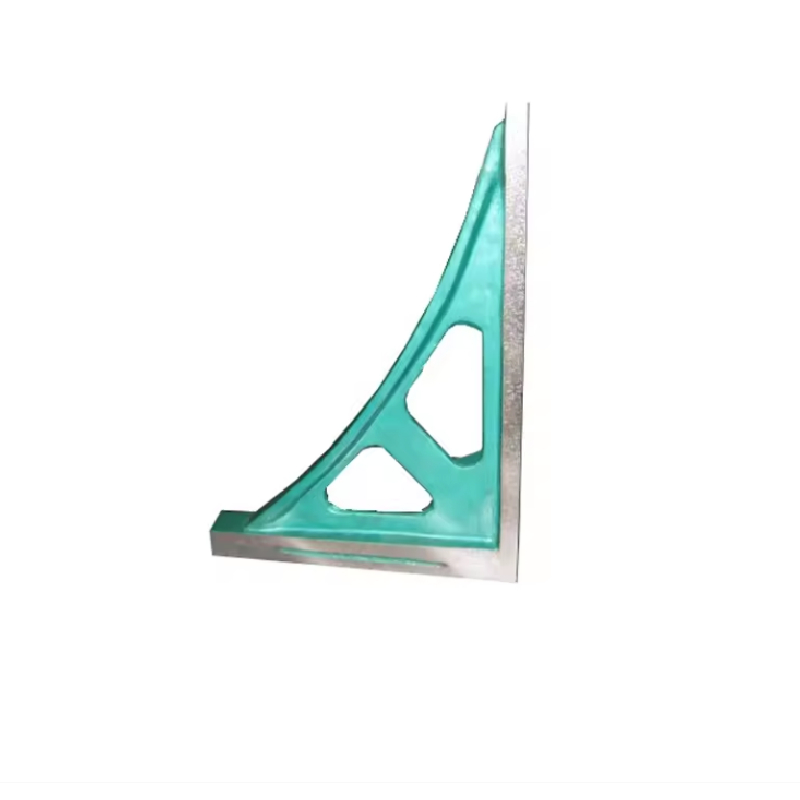
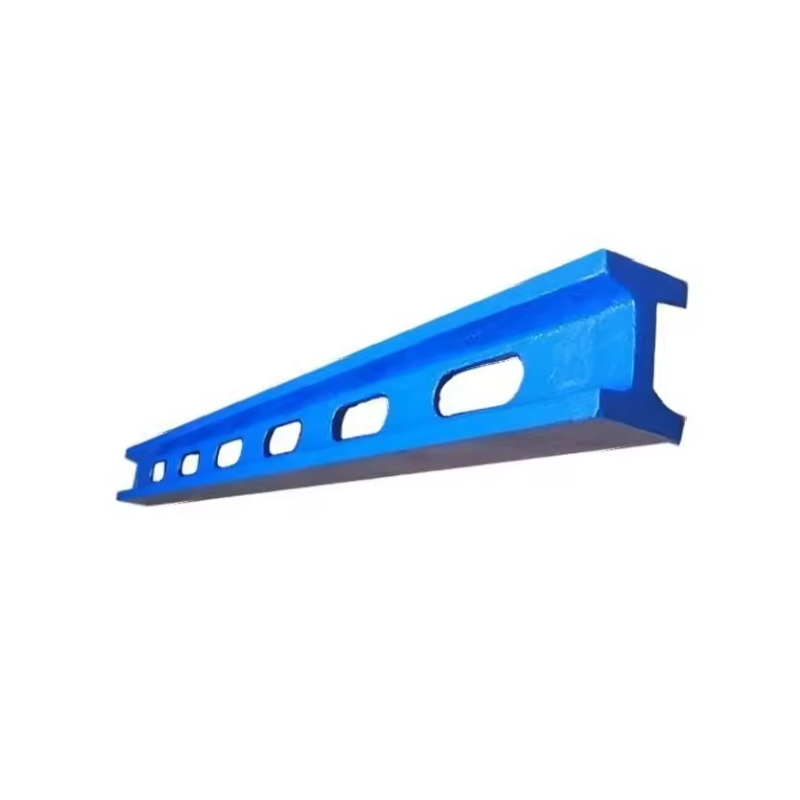
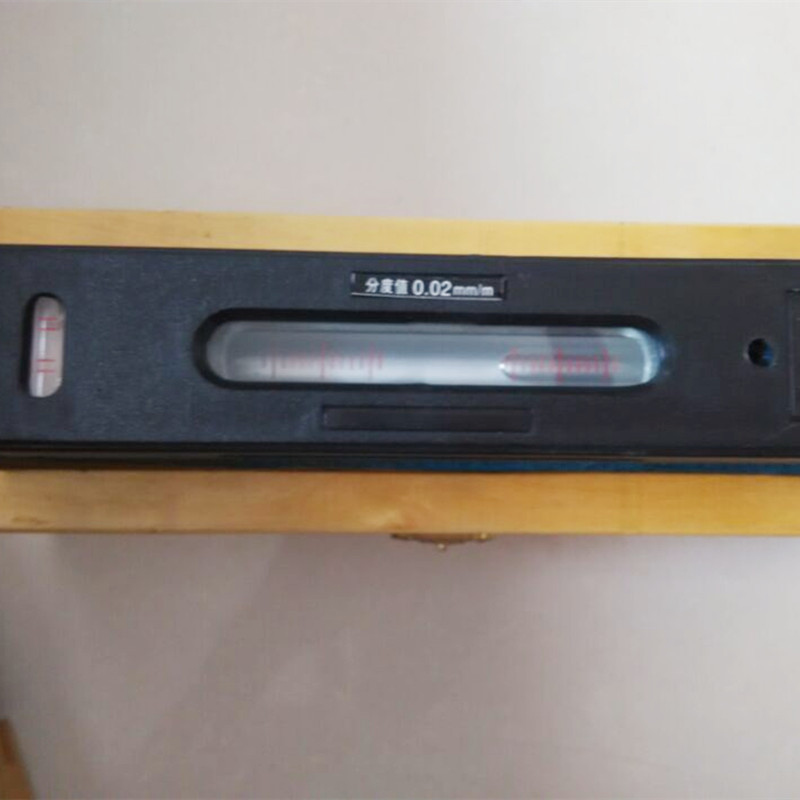

news and information
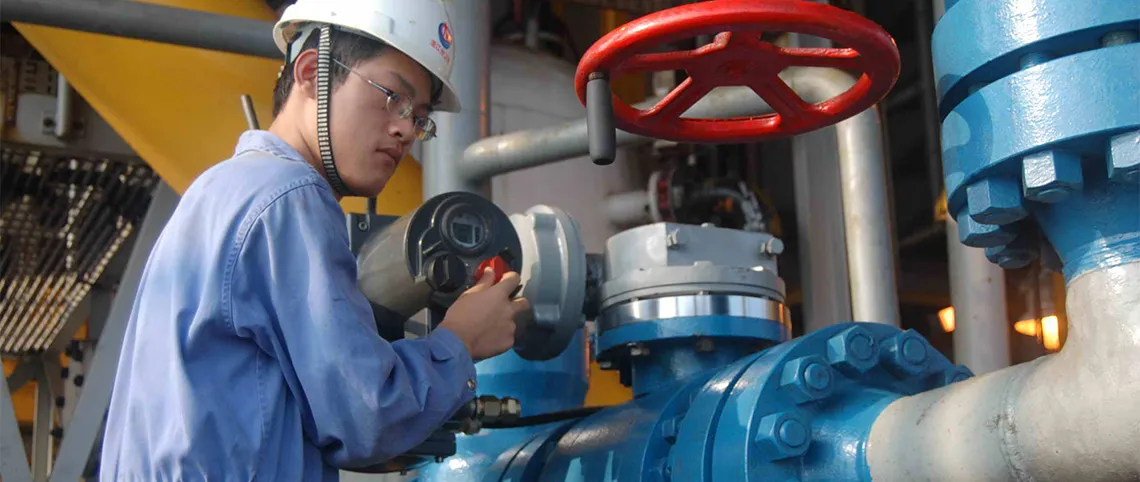
Versatile Stainless Steel Angle Ruler for Precision Measuring and Drafting Tasks
The Versatility of the Metal Angle Ruler When it comes to precision tools in the fields of engineeri

Why the Right Angle Ruler Reigns in Metalworking
In the high-stakes world of metal fabrication, machining, and welding, precision isn't just desirabl

Using a Horizontal Spirit Level for Accurate Measurements in Construction Projects
Understanding the Horizontal Spirit Level A Guide to Precision and Accuracy In the realms of constru
 English